

30-Day Content Strategy
Be the rod brand with a personality.
Prepared for Kristen & Richard "T-Rich" Weathersby by PixelDrip Studio.
Prepared for Kristen & Richard "T-Rich" Weathersby by PixelDrip Studio.
Grow your audience on Facebook, Instagram & TikTok, all organic, and warm people up for the store that's coming.
Personality first, proof right behind it. You've already got videos proving the personality side works.
Four pillars: Built Tough, Hooked & Hollerin', Fish Smarter, Our People.
Four pillar menus, so you're never starting from a blank page, in month one or month twelve.
Four to five posts a week, not seven. Shoot once on the phone, cut it for every platform.
Every post builds the audience, the proof, and the media library the future online store inherits.
Here's what this plan gives you: a system built so there's always a next post ready to pull from, instead of staring at a blank screen wondering what to film today.
That's what the pillars and their menus in The Pillars are for. Each pillar isn't one series to repeat until it gets stale, it's a running list of post options. When one idea's been used, there's another one sitting right behind it in the same pillar. It's a tool you run: keep pulling from the menu and there's another option waiting.
Run out of an idea, not out of ideas.
The other half of the goal: build Donkey Styx's following on Facebook, Instagram, and TikTok, all for free, no ad spend, working toward a crowd already watching before the full store opens. Every post is a chance for somebody to get a little more familiar with T-Rich, the donkey, and the rods, working toward people feeling like they already know you by the time there's a "buy now" button.
By the end of this plan, there's a full month of ready-to-shoot posts already written out, plus the pillar menus underneath it, a set of options ready to go for month two instead of starting from scratch.
Read it in order, it's built to flow one section into the next.
One thing worth knowing as you read The Pillars: each pillar carries its own real example images right there, not stashed somewhere separate.
Getting attention, earning trust, and building a following happen in a specific order. Skipping the order is why a lot of brand pages never take off.
Personality comes first. People don't follow a brand because it makes a good product, they follow it because they like being around it. That's why the humor and the donkey come before the sales pitch. It costs nothing to watch a funny video, so people will give that a chance before they'll give a product pitch a chance.
You've had hilarious videos perform well before, so you already get this part, real people responded because those videos were funny and had personality. This plan builds on that strength on purpose, it doesn't ask you to start over or reinvent the tone.
Proof comes next. Once people are watching because they like the account, that's when showing the rods holding up under real pressure actually lands. Nobody else in Texas has a real, hands-on rod builder paired with a donkey mascot who's got jokes. That pairing is genuinely rare, no big warehouse rod brand can fake it or copy it overnight.
Community closes the loop. Once people trust the rods, seeing other real customers post their own catches on a Donkey Styx rod is what turns a watcher into someone who wants one for themselves, and who posts their own catch when they get it. That new catch becomes next month's content. Personality earns attention, attention plus proof earns trust, trust plus a visible community earns belonging, and belonging is what makes someone want the rod. Same four pillars, same loop, run again every month.
One more thing worth knowing about the mix: video is what gets shown to people who don't follow the account yet, that's how the following actually grows. The statics, carousels, and reshares mostly nurture the people already following, keeping them warm and coming back. So the plan leads with video to reach new people, and uses the rest of the mix to take care of the audience already there.
"Most brands sell you a rod. We introduce you to the guy who built it, and the donkey who signed off on it."
The Target
Personality is the bait. Here's who bites, and how to make sure they do.
Picture the guy standing in the truck bed at 5 a.m., coffee in one hand, tackle box already sorted, with strong opinions about a rod's action and no shyness about sharing them. He's fished Texas water his whole life. He isn't buying a rod, he's buying the right rod, and he already knows the difference between something built for him and something pulled off a rack.
Every post is a chance for that guy to look at the feed and think "these are my people." A few ways to earn that, every time:
If the grid reads like a real Texas guy who builds seriously good rods and has a good time doing it, the right customer sees themselves in it, and the bargain-bin crowd scrolls right on past.
Every post on this calendar falls into one of four buckets. They're not a strict rulebook, but keeping the mix balanced across all four is what makes the account feel like a real, well-rounded brand instead of just ads or just jokes.
This is also where the always-have-an-option system from The Goal actually lives. Each pillar below isn't a single series to burn through, it's a menu. When one option's been posted, there are still several more sitting in the same pillar, ready to go. Stuck on what to post this week? Open the pillar that fits the moment and pick the next thing off its menu.
It shows the rods are actually built right and actually hold up. Anyone can say their product is tough. This pillar shows it happening on camera, so people don't have to take your word for it.
What to shoot for it: close-ups on the build in progress, hands on the blank or the grip, a rod bending under real pressure, finished rods lined up, T-Rich talking through a build decision.
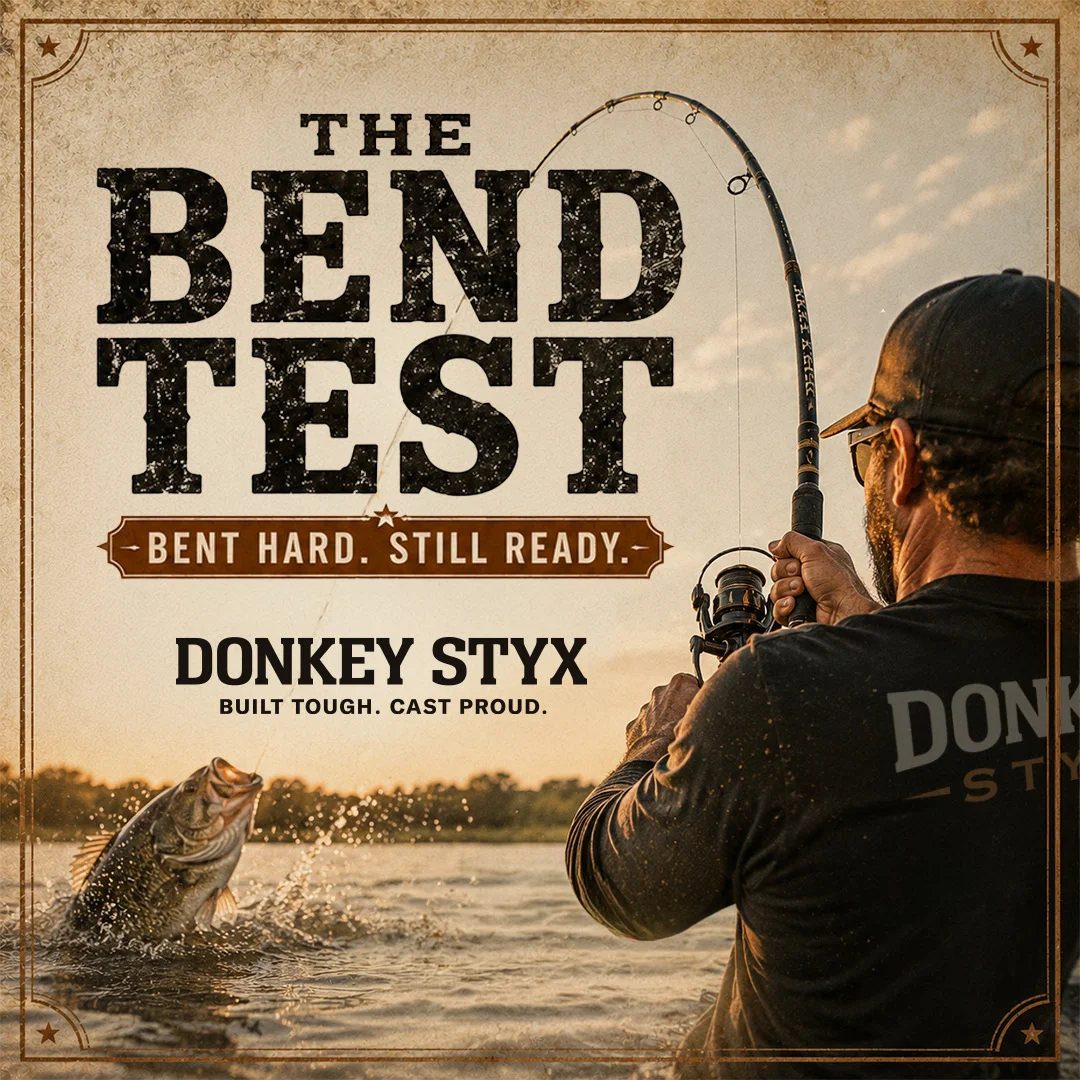
Bend it hard, it snaps back, T-Rich doesn't even flinch. Proof a caption can't fake.
"We didn't design it to bend like this. It does it anyway. Show your buddy who doesn't believe you."

Built for the places bass go when they're being rude. The same proof, from the water's side.
"Built for the places bass go when they're being rude. Still ready."
Quick tip: posters like Bend Test and Field Tested don't have to stay a standalone still. Use one as the cover frame for a Reel or short video too, it works as the thumbnail people see before they tap play.
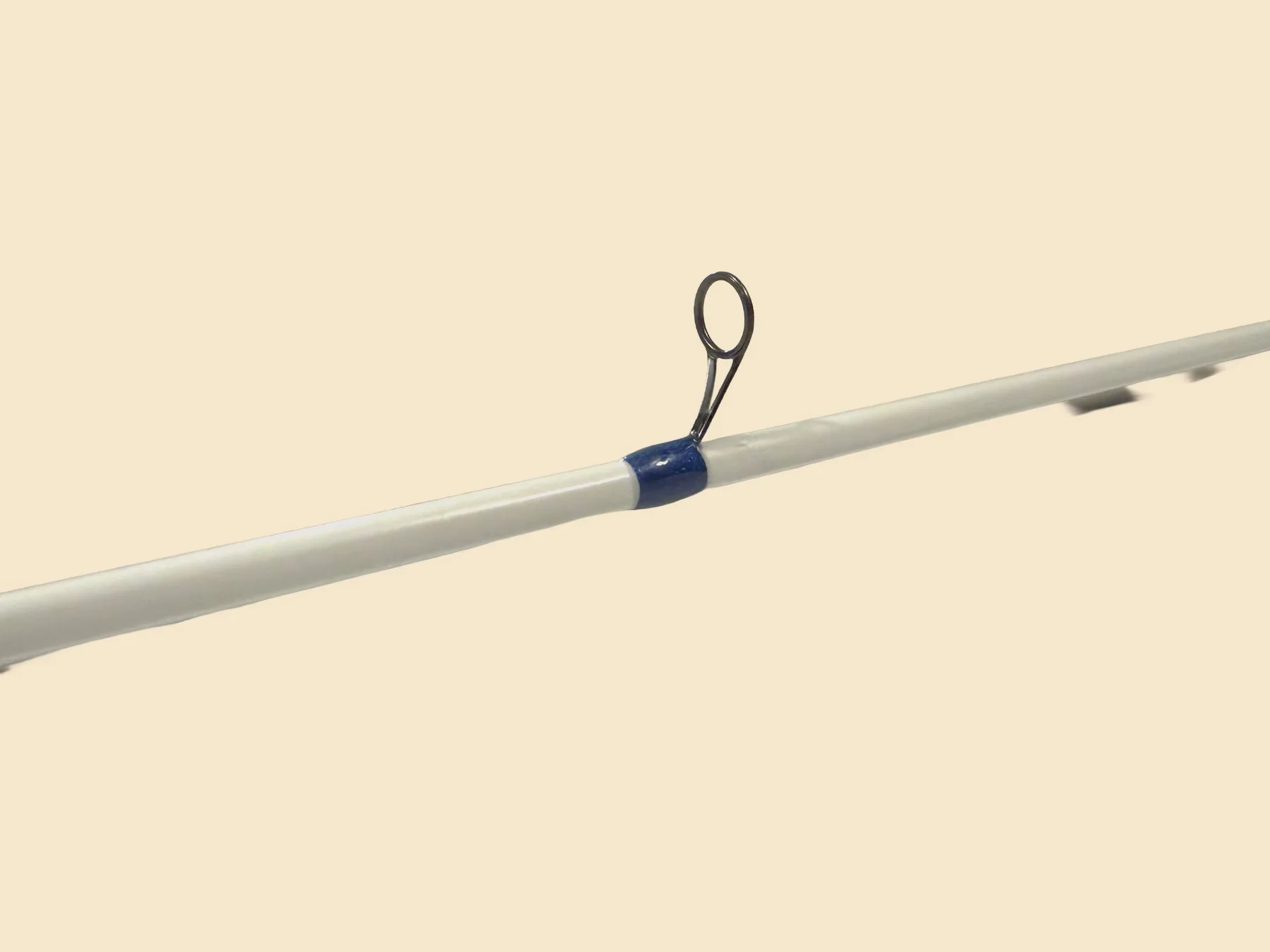
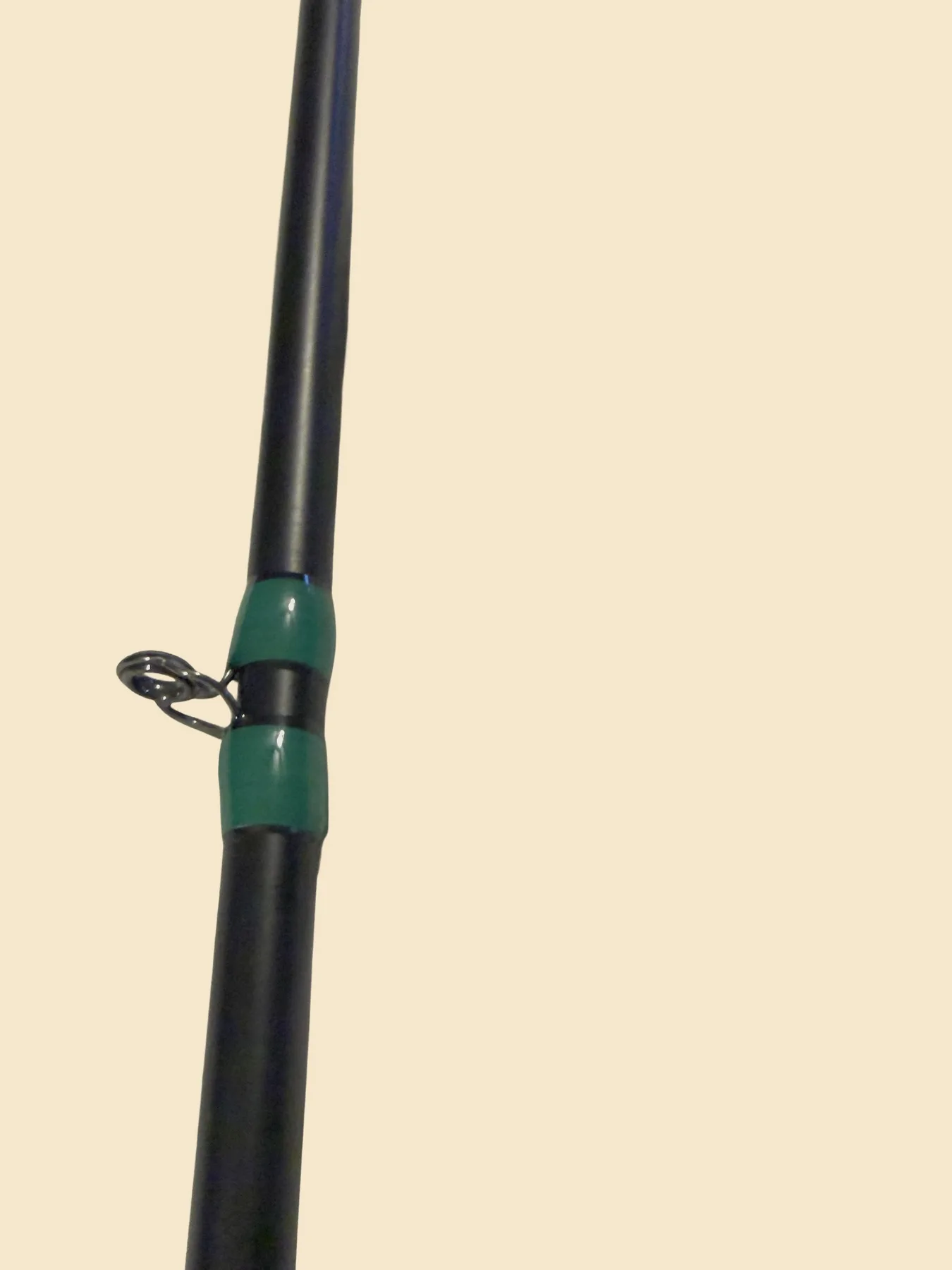
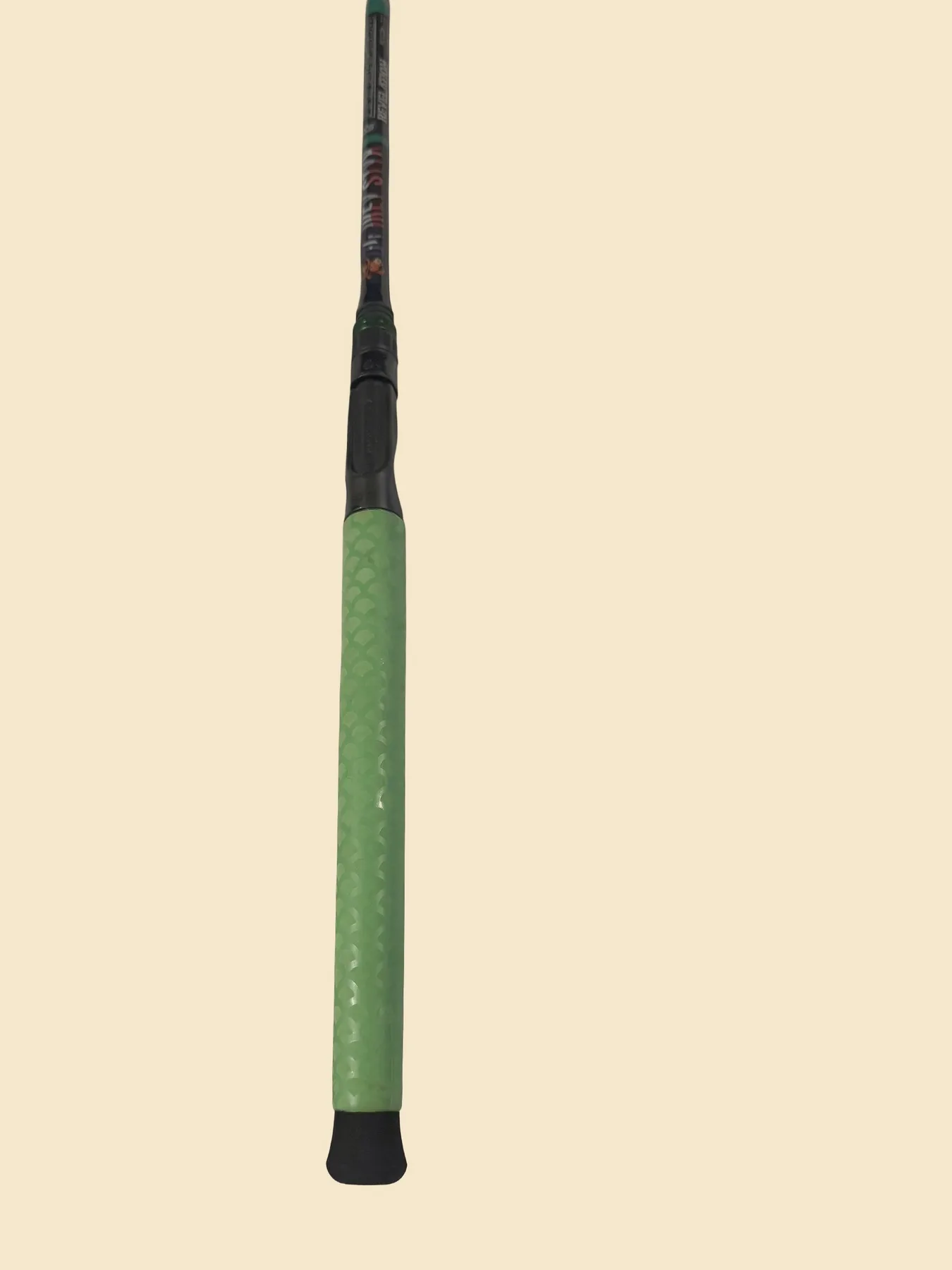
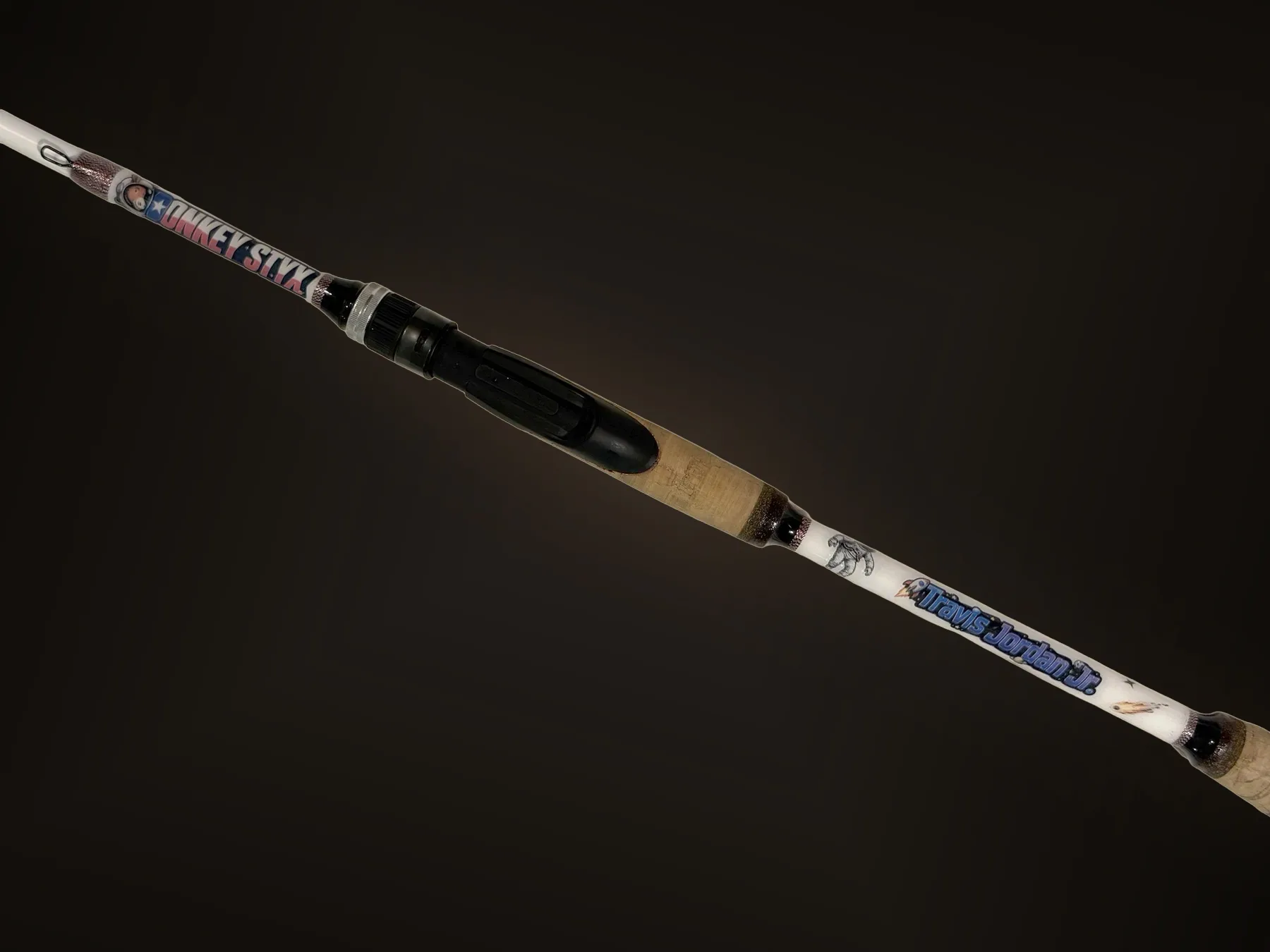
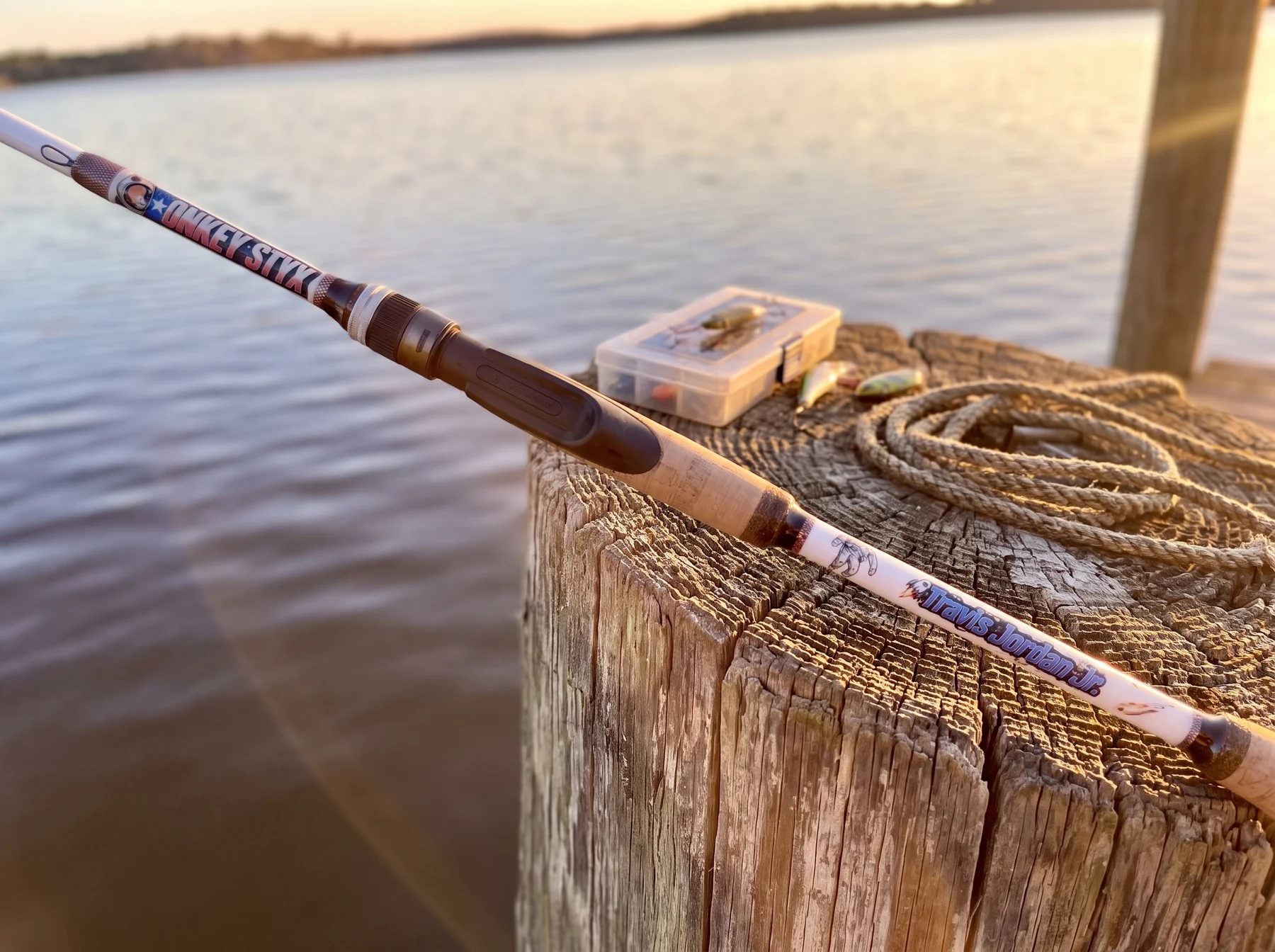
Actual Donkey Styx rods, straight off the bench. This is the level of detail "Rod detail shots" means on the menu above.
The donkey, the humor, the moments that make somebody stop scrolling and send the post to a friend. This is the side of the account that gets shared the most, which is exactly why it matters.
What to shoot for it: the donkey graphic template, quick funny clips, genuine reactions, casual moments out in the field or the shop that aren't staged.
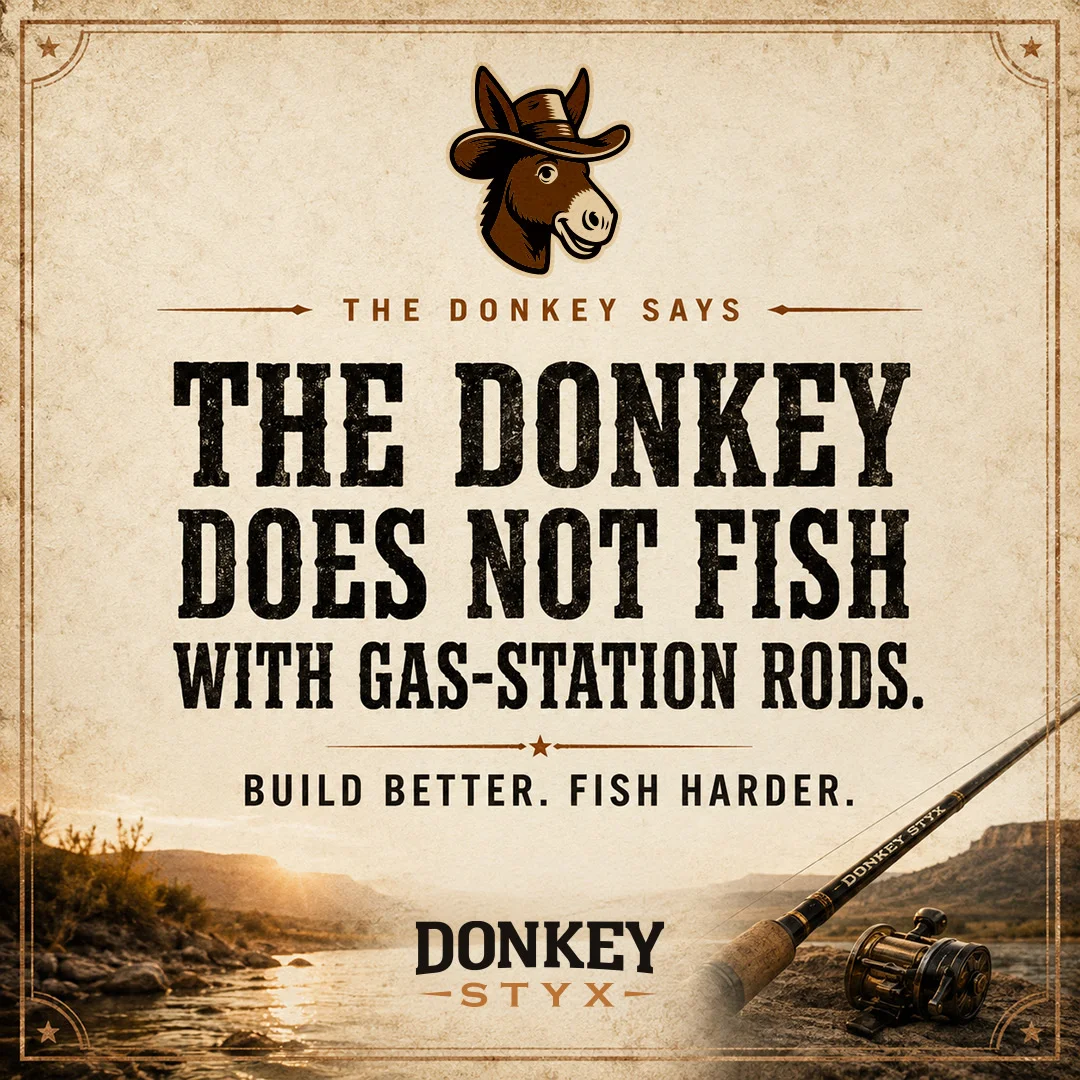
The weekly anchor. No shoot required, just a deadpan verdict.
It costs nothing to make and it's the format people actually tag a friend on. That's exactly why it anchors this pillar, and why it's fine to lean on it more than once a week.
Real tips people are already searching for. It's what turns casual followers into people who trust Donkey Styx knows what it's talking about, and it's some of the best content for getting found by people who don't follow the account yet.
What to shoot for it: close-up, hands-on tutorials, a rod in hand while showing a technique, simple text-over-photo tip graphics.
Frog Rod Friday
The named weekly tip, built from the poster element kit and a real Donkey Styx rod, not a stock photo.
Rotate the technique every week, keep the format the same so it's instantly recognizable. People start looking for it on Fridays, which is the point of naming it in the first place.
Built entirely from real customers, their catches, their photos, their reviews. It's proof from someone other than the brand itself, which is the most convincing kind there is. The following is just getting started, so this pillar starts thin, the early job is building it up: watching for tags, giving credit, and reaching out for the occasional collab. Every customer catch that comes in restocks it for good.
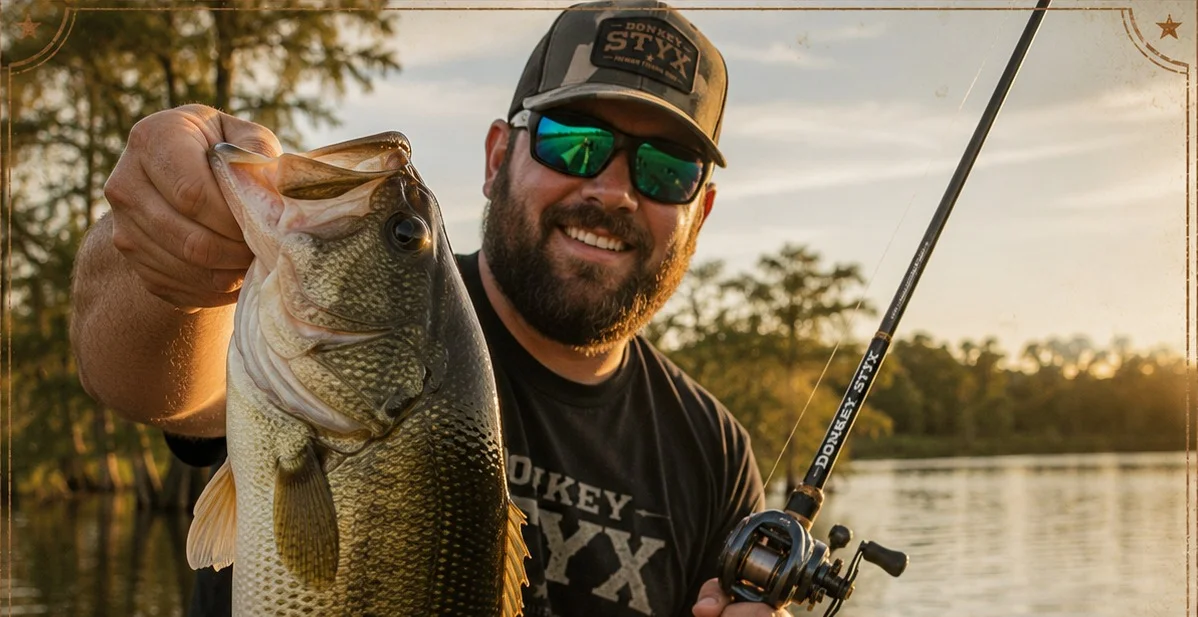
What fits it: whatever a customer sends in, kept in their own original style. Don't restyle it to match the brand, the fact that it's genuinely theirs is the point.
This is the actual day-by-day plan. It runs 21 posting days across 30 days, not daily. Rest days and "Stories only" days are built in on purpose, they're what makes this last past day 30 instead of burning out in week two. T-Rich runs a rod shop, not a content studio, so the pace is built around that.
Real talk: this is the calendar in a perfect world. Posting this often is a lot, especially when you are getting started, and you do not have to hit every single day. The reason all 30 are laid out is to give you runway, far more ideas and posts than you will ever need, so you are never stuck wondering what to put up. Pull what fits your week and let the rest wait for you.
New followers need to know who's behind the donkey before the jokes start landing.
Why this dayThis is the very first thing anyone sees, so it opens with who's actually behind the account before anything else, setting up the credibility-first theme for the week.
What it isA pinned intro video. T-Rich is mid-motion in the shop, then looks up and introduces himself and the shop straight to camera. It's the account's first impression, built to plant the idea that this is a real person building real rods, not a faceless brand.
Suggested caption"Fair warning: half this page is custom fishing rods, the other half is donkey opinions. Buckle up."
Why this dayRight after the intro, a quick taste of the personality that's coming, without pulling focus from this week's real job of establishing credibility.
What it isA single graphic post, the donkey's first appearance in the feed, delivering a deadpan one-liner about a build the donkey reviewed: "The donkey reviewed this build. He had notes. T-Rich made the fix. The donkey has moved on." Static, quick, no filming, just enough personality to signal there's more than sawdust and craftsmanship here.
Suggested caption"Working for a donkey is every bit as fun as it sounds. 10/10 would recommend."
A quick shop moment or a poll, no pressure.
Why this dayThis week is about proving credibility, and knowing the most-searched knot in fishing cold is its own kind of proof, real fishing knowledge stacked on top of the rod-building skill.
What it isA close-up, hands-only video tying the Palomar knot on the bench, walking through the steps out loud while doing it. No face needed, this is pure "the guy actually knows what he's talking about" content.
Suggested caption"The palomar knot is the strongest way to tie on a hook, and most folks still aren't using it. How many fish do you think that's cost you?"
Why this dayLaunches the weekly Friday series inside this week's credibility push, a real tip is proof of expertise the same way a well-built rod is.
What it isT-Rich, holding the frog rod at the shop or water's edge, explains a common mistake, losing the fish right at the hookset, and the fix. First entry in an ongoing weekly series, meant to feel like the start of something people come back for.
Suggested caption"Frog Rod Friday #1 is live. Drop your go-to spot below, we're taking notes."
A quick shop moment or a poll, no pressure.
No post, the week catches its breath.
Credibility's there, now the humor lands and gets shared. Nobody's copying a builder with a donkey, that's the whole edge.
Why this dayOpens this week's shift into personality. With some credibility built in Week 1, this is the kind of post that gets shared for being funny, not just informative.
What it isA side-by-side comedic flex, a Donkey Styx rod next to a flashy big-brand one, both cast, then a fish caught to let the fish decide without saying a word. On-screen text carries the joke, no dialogue, built to work with the sound off.
Suggested caption"Y'all can believe whatever you want. The fish already voted."
Why this dayKeeps the entertainment momentum going right behind Monday's post, reinforcing that this account has a voice worth following.
What it isSecond installment of the donkey's one-liners: "The donkey does not fish with gas-station rods. The donkey also does not explain himself." Either the same static graphic format as Day 2 or T-Rich reading the line straight to camera, deadpan. Built to be an easy share, short enough to send to a friend.
Suggested caption"Tag somebody who needs to hear this from a donkey specifically."
A behind-the-scenes look at this week's build.
Why this dayA brief return to proof in the middle of the entertainment week, keeps the account from feeling like all jokes and reminds people there's real craft behind it.
What it isFirst entry in the ongoing From the Bench talking-head series (full formula in Tips & Tricks). T-Rich, phone braced on the bench, holds up the frog rod blank and explains in one breath why its power and action matter for fighting a bass out of the weeds.
Suggested caption"The blank (the bare rod shaft, before any grip or guides go on) is the part of a custom fishing rod nobody asks about first. Should probably fix that."
Why this dayKeeps the Friday series alive and rotates the technique, so regular viewers get something new instead of a repeat.
What it isT-Rich holds the flipping stick and shows the motion, explaining why the extra length matters for pitching short casts near cover in the wind. Second entry in the series, meant to build the habit of checking in every Friday.
Suggested caption"Frog Rod Friday #2: that extra length on a flipping stick isn't for show. Argue with us in the comments, we dare you."
Why this dayCloses the week by checking whether any customer content has come in yet. If it has, it's an early preview of the community pillar; if not, a light joke keeps the week ending on personality instead of forcing something that isn't ready.
What it isIf a customer catch has come in, repost it with credit (Tips & Tricks has the process). If nothing's in yet, don't force it, run a lighter Donkey Says-style post instead, same spirit as Day 2 and Day 9.
Suggested caption (if reshare)"[Name] sent this in. Tag us in yours, we repost every one."
Suggested caption (if fallback)"The donkey has been informed nobody sent in a catch photo this week. The donkey is disappointed but not surprised."
No post, the week catches its breath.
There's a real audience now. The donkey doesn't explain himself, neither does the rod, it just holds up.
Why this dayOpens this week's deeper trust-building push with the strongest proof piece in the whole plan. Now that there's an audience actually watching, this is the moment to show, not just tell, that the rods hold up. Shoot this one clean.
What it isA full durability demonstration, one person braces the rod's butt while the other bends the tip into a full curve and releases it, then T-Rich checks it over and finds no damage. Minimal talking, mostly visual, built to be sent around as proof on its own.
Suggested caption"This is what a custom fishing rod is supposed to do when a bass doesn't want to cooperate. Send this to the buddy who still doesn't believe you."
Image note: pairs with the Bend Test and Field Tested finals in The Pillars, same proof idea from two angles. Run one or both.
Why this dayFollows the Bend Test with another top-searched skill. Pairing proof of the product with proof of expertise reinforces the same trust this week is built around. Don't skip this slot.
What it isA close-up, well-lit video on tying the double uni knot, wrapping each line around itself, wetting it, and pulling tight from both ends. Practical enough that people save it to come back to.
Suggested caption"The double uni knot is how you tie braid to fluorocarbon without losing the one that got away. Save this."
A quick look at a customer order in progress, if Richard's comfortable sharing it.
Why this dayA short personality break in the middle of a proof-and-teach week, keeps the account from feeling like a lecture between the bigger trust-building posts.
What it isThird installment of the donkey's one-liners, this one about the donkey caring way too much about a detail nobody else would notice: "The donkey noticed a detail nobody else would have. The donkey always does. That is all." Quick, low-effort to produce, keeps the posting rhythm going without demanding a big shoot.
Suggested caption"The donkey has never once been wrong about this. Don't test him."
Why this dayThird week in a row for the Friday series. By now it should feel like a standing appointment people expect, which is its own kind of trust.
What it isT-Rich holds a crankbait rod and flexes it gently on camera to show the bend, explaining why fast versus moderate action decides whether fish are lost right at the boat.
Suggested caption"Fast action or moderate action, that's what decides if you lose fish right at the boat. Tell us your setup below, we're guessing what's wrong with it."
Why this dayCloses the week with a second proof-of-craft post. This series is built to reward repeat viewers who are starting to recognize the format.
What it isT-Rich holds both grip types side by side and walks through the real difference between cork and EVA, cork feels better in hand, EVA won't get slick in the heat. Same talking-head setup as Day 11, no new gear needed.
Suggested caption"First question we ask before every custom fishing rod build: cork or EVA?"
No post, the week catches its breath.
Real customer content should exist by now. Lean into it and keep the momentum building. Runs 9 days since 30 doesn't split evenly into four weeks.
Why this dayOpens Week 4 by handing the spotlight to a real customer. After three weeks building credibility and trust, this is proof from someone other than the brand itself.
What it isA real customer's catch or review, already posted somewhere, reshared with a tag and full credit (Tips & Tricks has the process). The caption invites the next customer to send theirs in too.
Suggested caption"[Name] sent this in. Tag us in yours, we read and repost every one."
Why this dayA personality beat placed right after the customer spotlight, keeps the week from feeling like reposts back to back.
What it isEither another Donkey Says graphic or a fresh bit if one's ready, whatever fits the moment that week. Keeps the account's voice present even during the community-heavy stretch.
Suggested caption"The donkey's been quiet all week. That's never a good sign. Tag the buddy who should be worried."
A quick shop moment or a poll, no pressure.
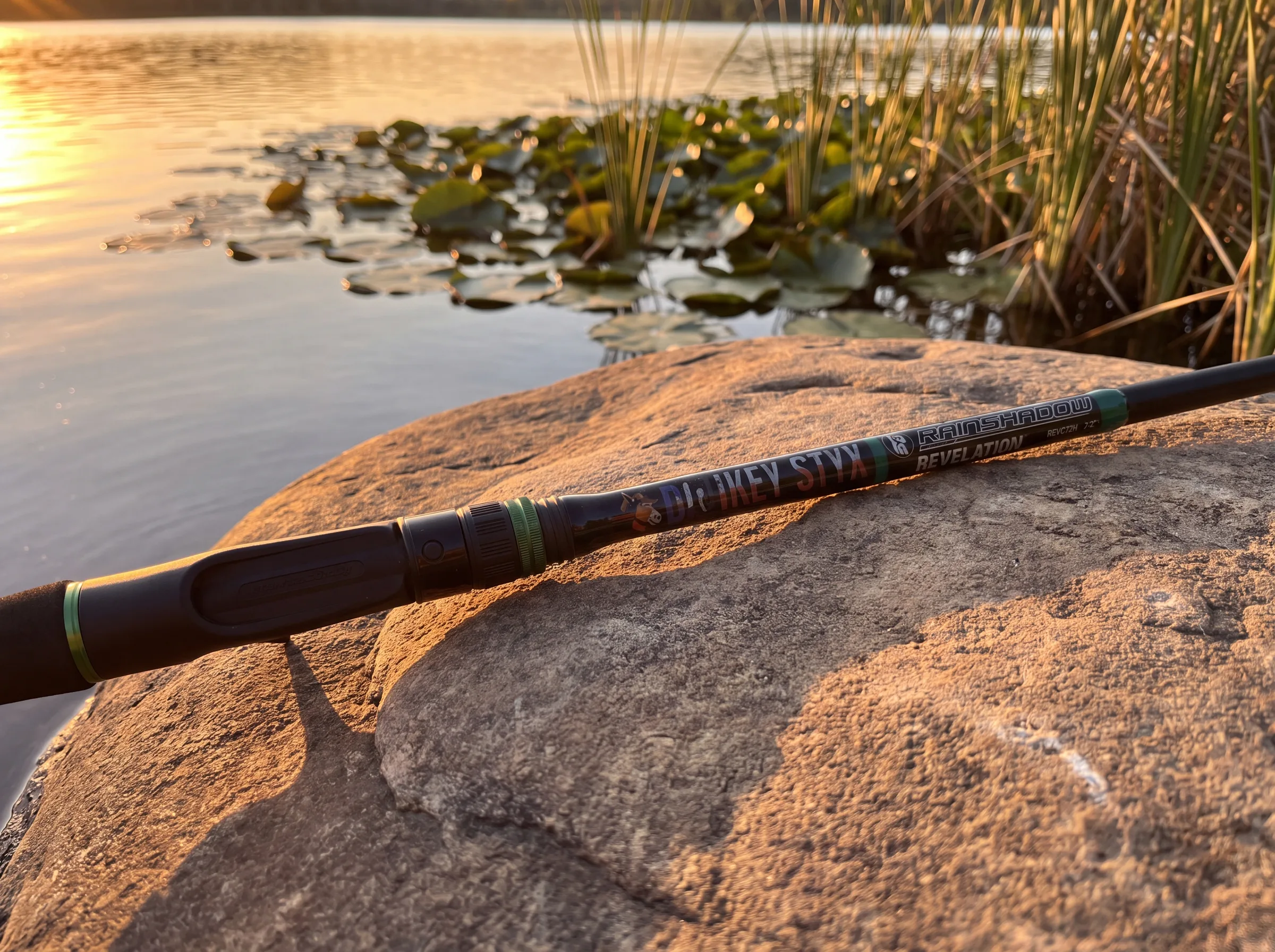
Why this dayPlaced after weeks of proof and personality have built up behind it, this is the direct ask, walking people through how to actually get one built for them. The custom build conversation is already live via the form on donkeystyx.com, so this post can point straight to it.
What it isT-Rich at the bench with build parts laid out, blank, two grip samples, guides, walking through how a custom order actually comes together and why every choice changes how the finished rod fishes.
Suggested caption"Every choice on this bench is how you build your own custom bass rod, made right here in Texas. Questions? We read every comment."
Why this dayFourth week running for the series, this is where it should feel fully established, a reliable reason to check the page every Friday.
What it isSame format as the previous three, T-Rich with the relevant rod demonstrating a technique, scripted the week of using the tip bank so it stays current.
Suggested caption"Setting the hook too early is probably costing you fish, here's the fix. What's your go-to move? Drop it below."
Why this dayA second community post this week on purpose, leaning hardest into the pillar that proves other people already trust the rods enough to fish them.
What it isAnother tagged or sent-in customer catch, reshared with permission and credit. Same process as Day 22.
Suggested caption"[Name] with a good one. This is why we build them tough. Tag us in yours."
No post, the week catches its breath.
Why this dayA milestone recap pulling together everything proven so far, credibility, personality, proof, community, back into one post, before the loop keeps rolling.
What it isQuick cuts or a carousel of recently finished rods, shot with the same framing so they cut together clean, with a short line about what's been coming off the bench.
Suggested caption"Every one of these came off this bench for somebody who needed it built right. More coming, keep watching this space."
Why this dayKeeps the personality note running on the same rhythm it opened with, no restart, no finish line, just the loop continuing into the next round of pillars.
What it isFourth installment of the donkey's one-liners, thanking everyone for showing up so far in the donkey's voice while making clear this keeps rolling: "The donkey has thoughts: y'all showed up, T-Rich kept building, nobody's rod folded when it mattered. Keep it up." Same mix, same menus, right back to the top of the loop.
Suggested caption"This doesn't stop here. More builds, more catches, more donkey opinions coming."
Come back to this section any time you need a refresher. It's reference material, not something to read start to finish before shooting.
No editing software needed, just the phone's own camera and a few habits. Same real rod, same real decal, same phone you already have.
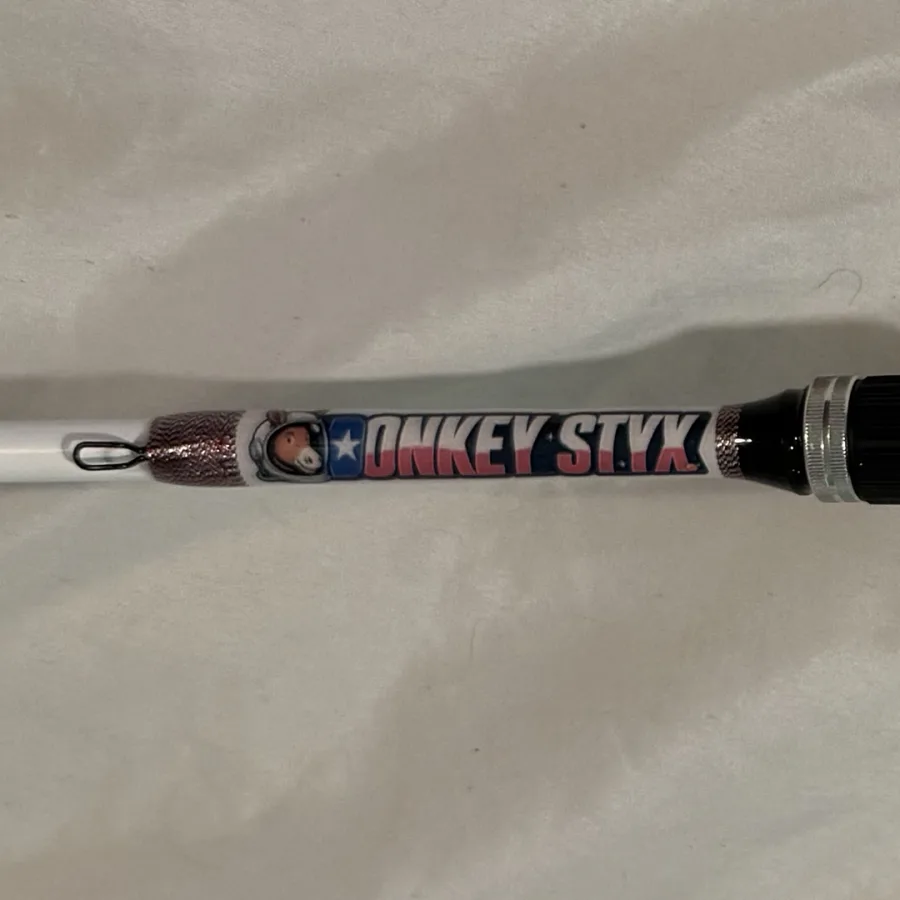 Before
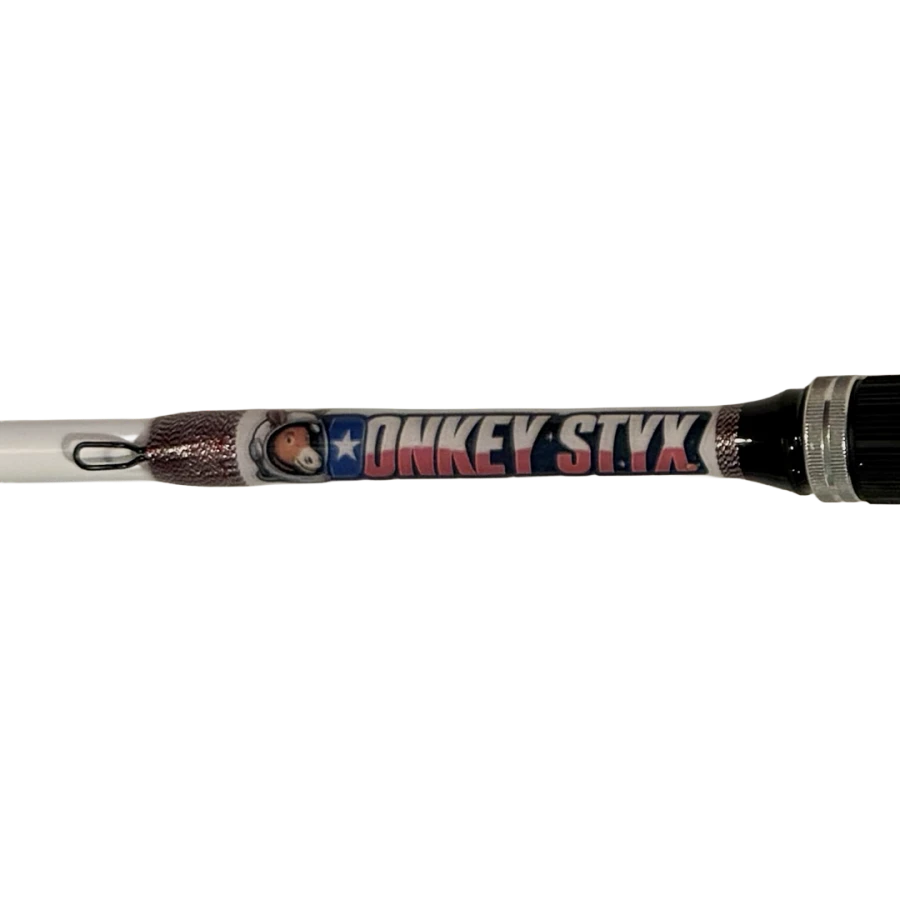 After
After
No camera experience required. Do these five things and the footage looks intentional.
The first two seconds decide if they keep watching. Don't start with a flat introduction ("Hi, I'm T-Rich, I build custom rods"), that's what people scroll past. Start mid-energy, like the camera caught T-Rich already into it. Using his own name is great, it just has to come in hot, not sound like a resume.
Example: "What's up y'all, it's T-Rich out in Texas..." The scripts in this plan open this way.
Talking-head, no editing needed. T-Rich, phone propped up, talking straight to camera about a build choice.
Shot tip: phone braced on a clamp or a stack of books, arm's length away, shop door open for light. Film longer than you need, extra footage is easy to trim, footage you didn't get is gone.
Full detail and hashtags live in the SEO caption guide, this is the short version.
It reads the words you say out loud, the on-screen text, the caption, and the hashtags, all as search signals. Say the real phrase ("frog rod," "Palomar knot") out loud right at the start. Use 3-5 hashtags, always include the branded one.
Captions and bios matter more than hashtags, use only 3. Make the first sentence count, it's what gets read and indexed first. Write real alt text on photos, it's a discovery channel most brands skip.
Hashtags barely matter here. The real fishing audience lives in Groups (Texas Bass Fishing, Texas Inshore Fishing, Gulf Coast Fishing Texas). Post natively, never a reshared TikTok link. End posts with a question, comments are Facebook's strongest reach signal.
How to find customer catches:
"Love this shot! Mind if we repost it on the Donkey Styx page? We'll tag you and give you full credit."
Always ask first, even if the post is public. If they say yes, repost with a tag and a caption in the Donkey Styx voice. If they don't answer, let it go, another catch is always coming.
Simple collab, no contract needed:
Kristen and Richard already have people watching who don't know Donkey Styx exists yet. That's free reach.
@donkeystyxrodcoFlag: confirm handle confirm this handle is free and matches across TikTok, Instagram, and Facebook before it's locked in anywhere.The habits:
Every personal post is a door back to the brand. Neither account has to carry the whole weight.
Forget the vanity metrics. Watch two numbers, and make more of whatever wins on both.
Someone wants to come back to this. The clearest signal of real, lasting value.
Someone thought of a specific friend and sent it. The strongest signal a platform can get.
Today's website is one page, and that's the right call for right now. The full online store is the natural next step. Every post made over these 30 days does double duty.
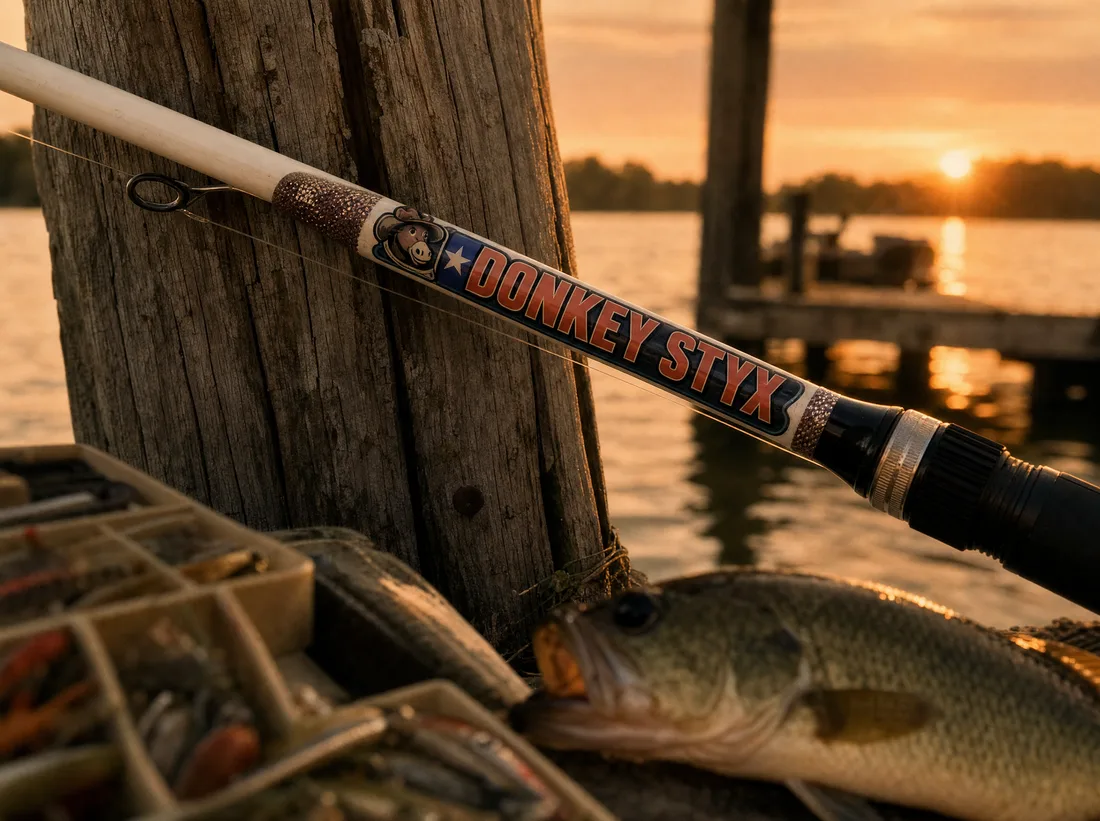
None of these block Day 1. The calendar works with placeholders and gets stronger as each piece comes in.
Every asset built for this launch, grouped the same way the calendar groups them. Click any thumbnail to see it full size.